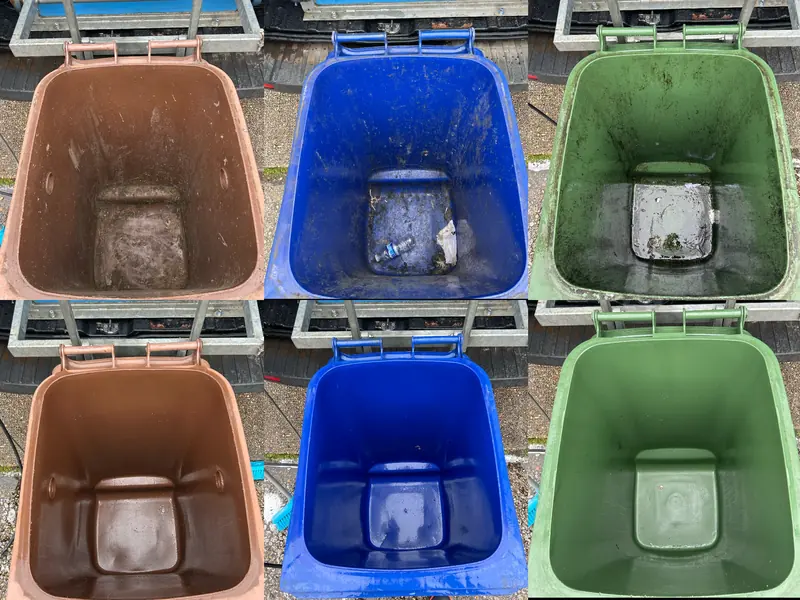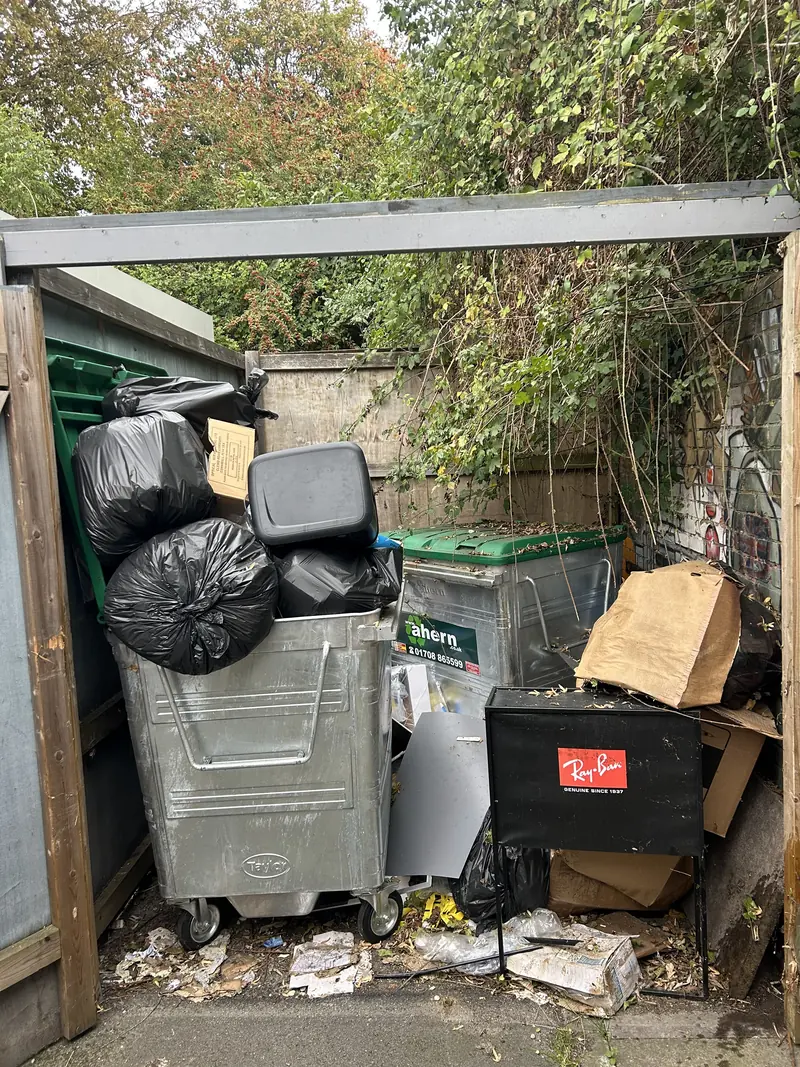
Rats are attracted to the same thing as flies and foxes: food waste. A bin area with split bags, spilled rubbish and residue gives them food and cover.
Why it matters
Rats can carry diseases that affect people. The NHS explains that leptospirosis, sometimes called Weil’s disease, is spread by the urine of infected animals such as rats. It can get into the body through cuts or through the eyes, nose or mouth. Most cases are mild, but it can be serious.
That’s why it’s worth wearing gloves when you handle a dirty bin and washing your hands afterwards.
Signs rats are visiting
- Droppings near the bin or bin store
- Gnaw marks on bin lids or bags
- Holes or burrows nearby
- Rubbish pulled out of bags
If you see signs of rats, contact your council or a pest control service. They can advise on treatment.
Make the bin area less inviting
- Keep lids shut and don’t overfill bins.
- Never leave bags on the ground beside the bin.
- Clear up spilled rubbish straight away.
- Keep the bin and the ground around it clean.
- Cut back overgrown plants around bin stores, which give rats cover.
Bin stores and shared bins
Shared bin stores at flats, shops and offices can build up waste quickly. We clear and clean commercial bin stores and wash commercial bins. See commercial bin store cleaning.
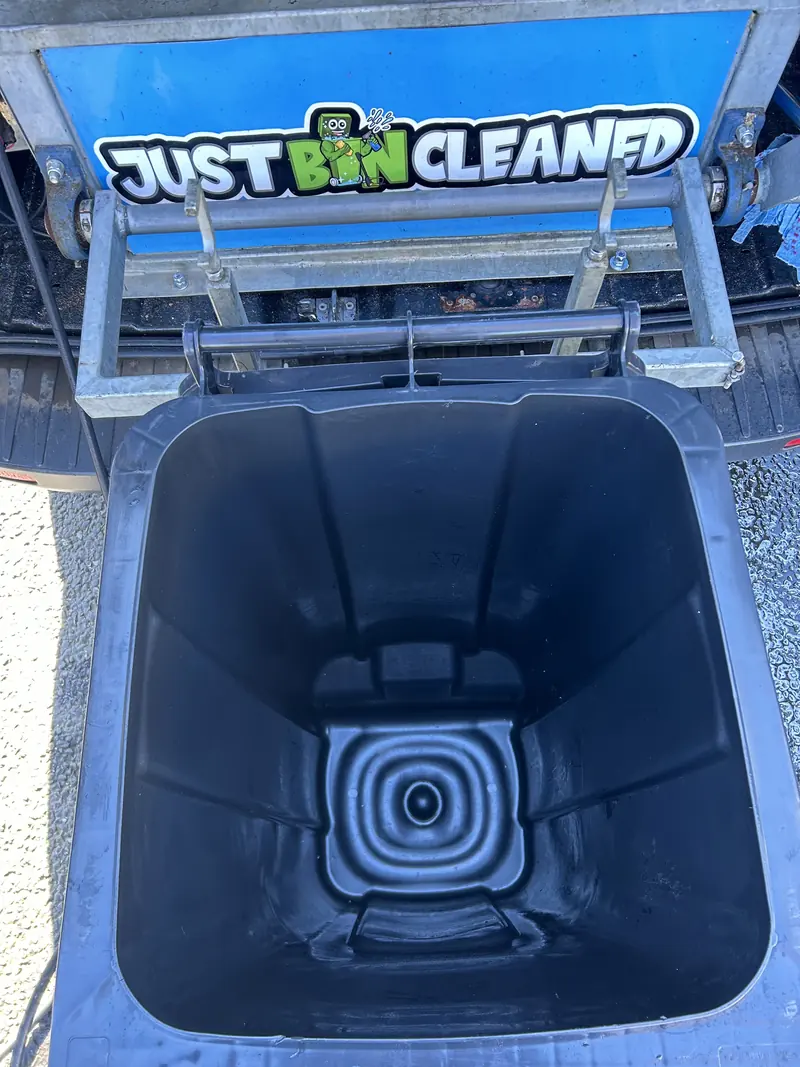
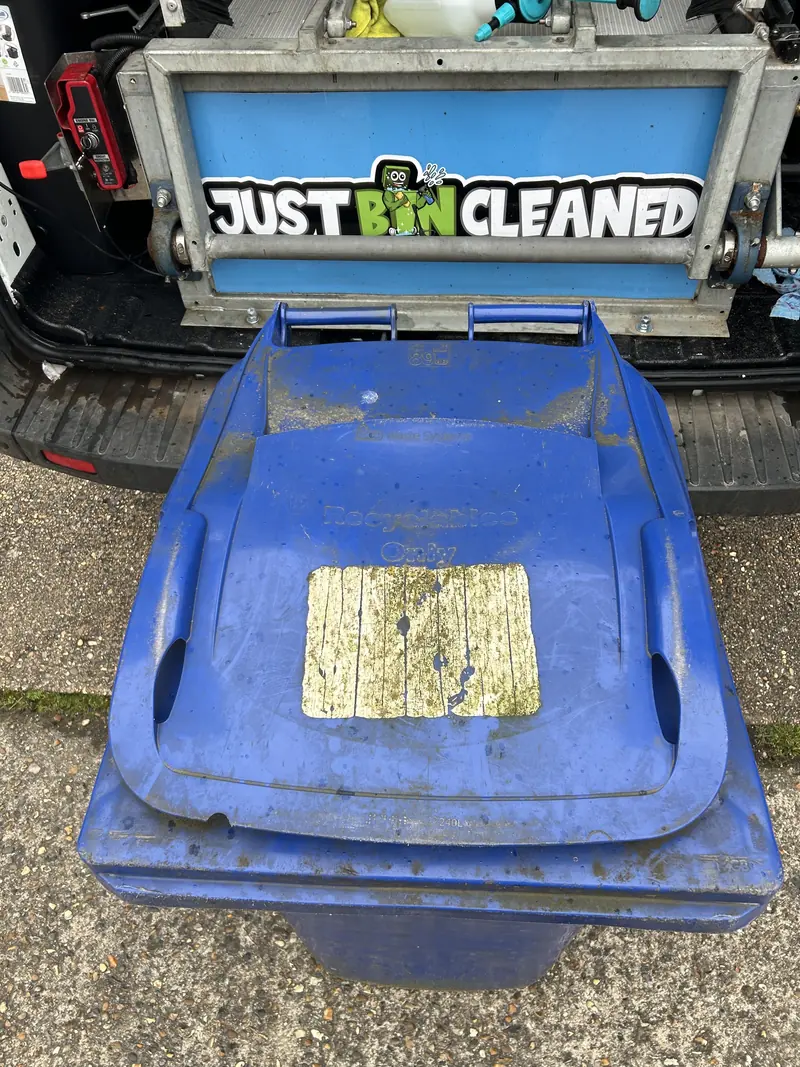
At home, a regular wheelie bin clean removes the residue that draws pests in. Get a quote.