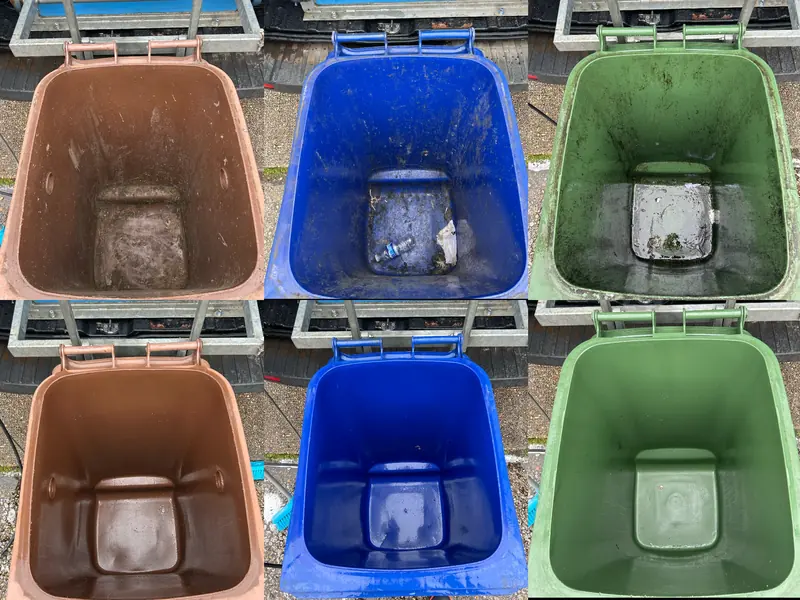
Most people only think about cleaning their wheelie bin when the smell reaches the back door. By then the bottom of the bin is usually coated in old food, liquid and flies. A regular clean stops it getting to that point.
A good rule of thumb
There’s no legal rule on how often to clean a bin. What matters is what goes into it and the time of year.
- General waste bins holding food scraps or nappies need the most attention. They smell first and attract flies first.
- Recycling bins stay cleaner if you rinse tins, jars and tubs before they go in, but they still collect sticky residue.
- Garden waste bins can go longer, though grass cuttings rot quickly in warm weather.
Many households find a clean every few weeks keeps smells and flies under control, and more often in summer.
Why summer makes it worse
Warm weather speeds up the rotting of food waste, and flies are far more active. A bin that is fine in January can be unbearable in July after one hot fortnight. If you only clean your bin a few times a year, make sure one of them is at the start of summer.
Clean straight after collection
The best time to clean a bin is right after the lorry has emptied it. There’s nothing left inside, so the whole bin can be washed, sanitised and dried before the next bags go in. That’s when we clean bins on our rounds.
Small habits that help between cleans
- Bag all food waste and tie the bag.
- Keep the lid fully closed.
- Stand the bin in the shade if you can.
- Don’t pour liquids into the bin.
Read more in why wheelie bins smell and what to do about maggots.
Let us do it
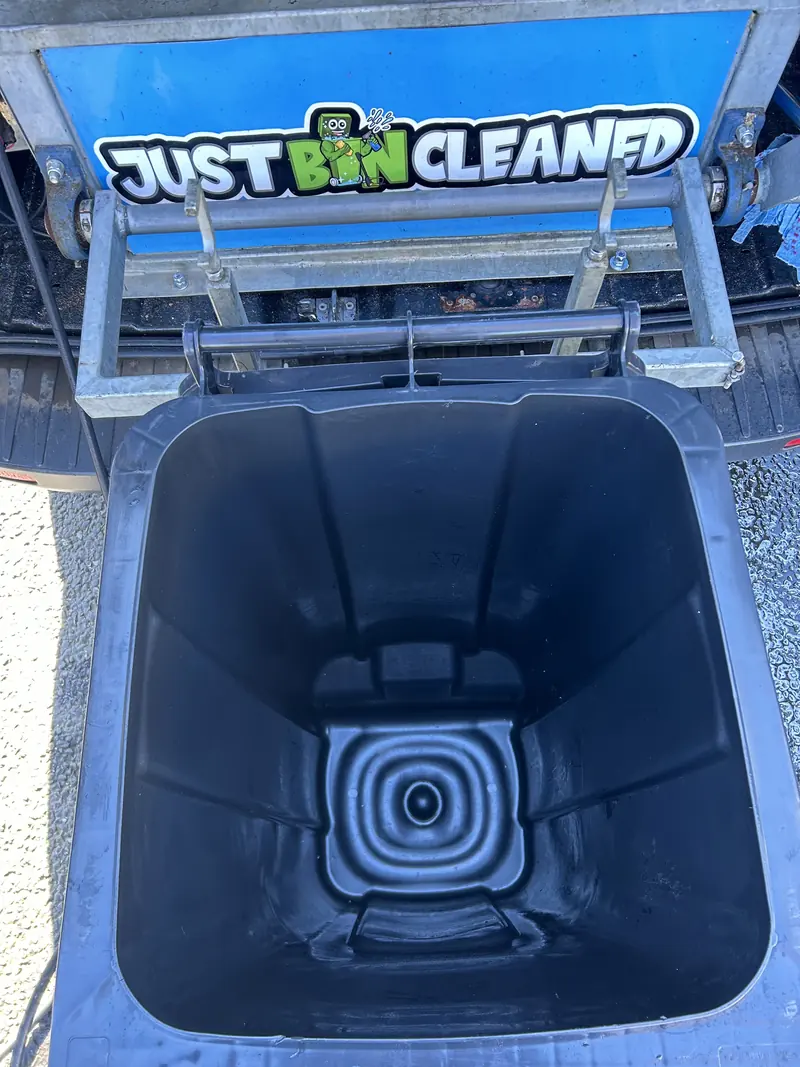
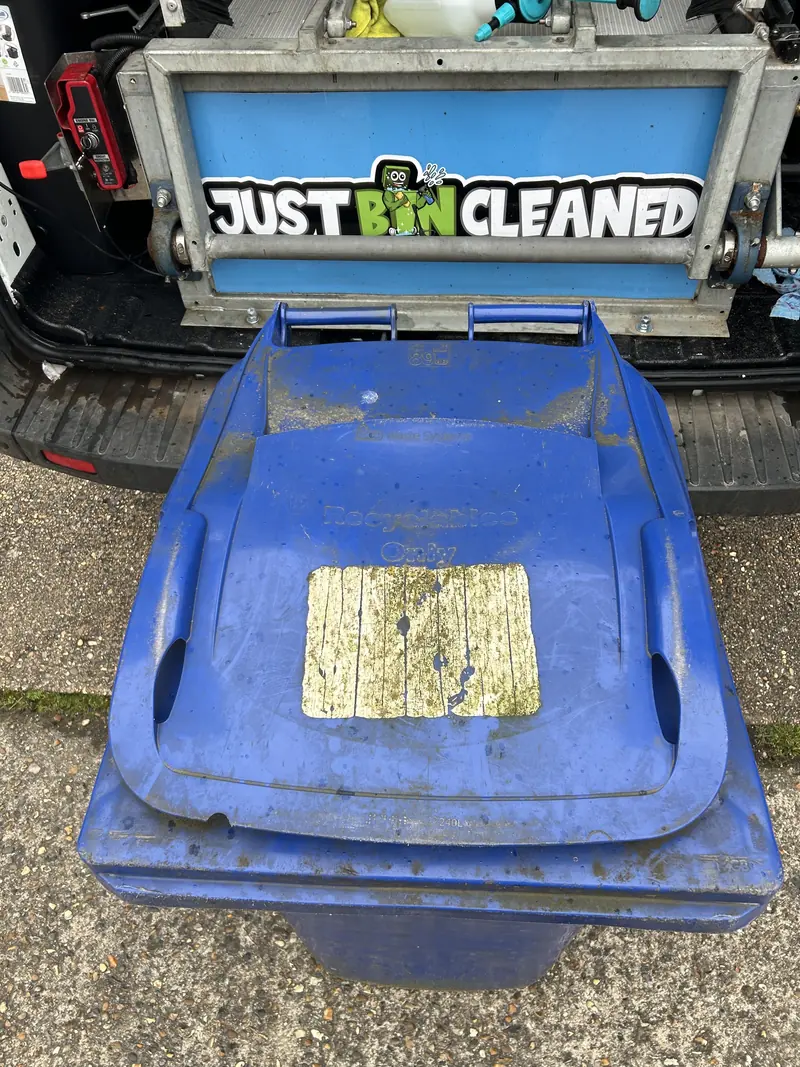
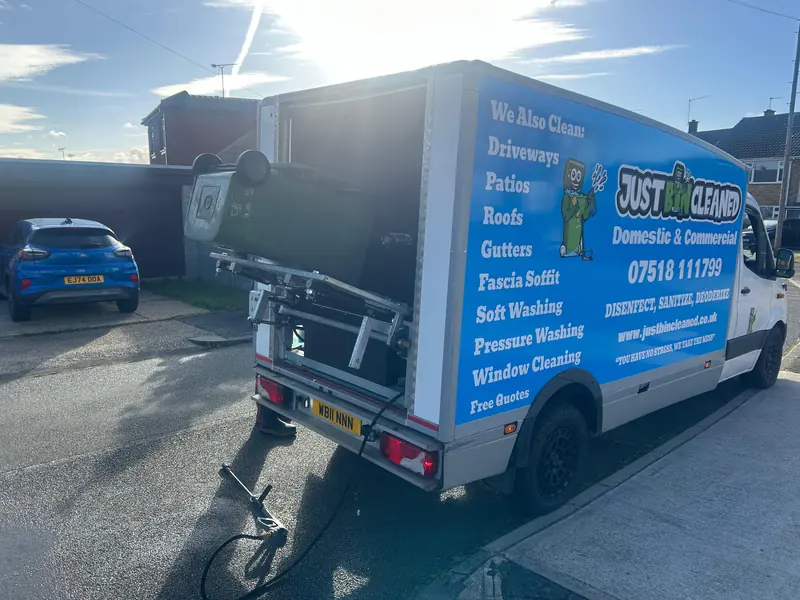
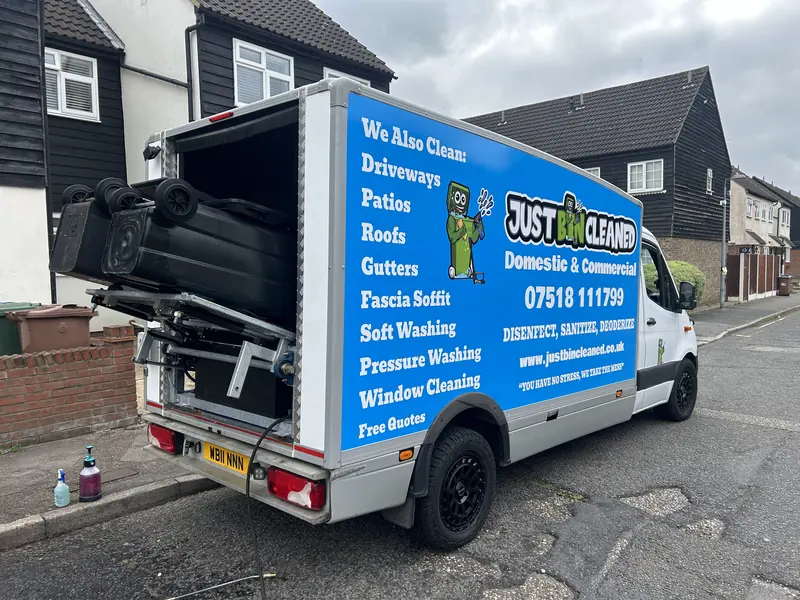
Our wheelie bin cleaning washes your bin inside and out on our van-mounted machine, then sanitises and deodorises it. You can book a one-off clean or regular visits. Ask us for a quote.